


-
Eliminate Odors From Rugs and Carpets
Posted on July 12th, 2013Get rid of odors in your rug without having to get them professionally cleaned.
Do you have a rug you love that has a foul odor but it is too large to fit in your washer machine and you don’t want to pay the hefty price to have it professionally cleaned?
Clear the Air can eliminate any odors from your rug or carpets. It is easy to use and 100% non toxic, even if ingested by humans or pets.
Most products on the market are wet and must come into contact with the urine to remove the odor. This means if you have an odor that has soaked into the carpet you must pull up the carpet and pad and soak the carpet, pad and floorboards. What a mess!
With Clear The Air’s Odor Eliminator just sprinkle the granules on top of the rug or carpet leave on overnight and vacuum in the morning and the odor is completely eliminated. Works well on all surfaces pulling the odors out of tile and concrete.
Clear the Air does not have to come into contact with the odor producer; it will pull the odors from the carpet pad, and sub-floor. Clear The Air draws in odors like a powerful magnet. The odors are adsorbed, and neutralized without any fragrances. Clear The Air does not cover up odors; it literally “clears the air” leaving the air fresh and clean. Clear The Air is made from an all natural mineral, is non toxic and biodegradable and safe for Planet Earth.
Follow these directions to eliminate odors in your rugs and carpets with Clear The Air:
- Remove feces and excess urine.
- Sprinkle granules over area until dry granules are present on top. Also works well on old dry urine odors.
- Leave overnight, then sweep or vacuum.
- Clear The Air pulls odors from carpet, padding, and subfloor.
- Typically one application will eliminate all odors; occasionally a second application is necessary.
- One canister covers 100 square feet.
-
Summer Vacation – Tips For Traveling With Your Dog
Posted on July 11th, 2013Traveling with your dog.
Dogs are a part of our everyday life. When we go on vacation, it is nice to be able to bring our faithful companion on our travels with us.
However, there are some things to keep in mind when traveling with your dog to make sure he/she is safe and has an enjoyable trip.

It is important to make sure to bring your dog to the vet’s for a checkup before going on an extended trip. Make sure all his vaccinations are up to date and his shot records are with you. To keep your dog healthy as you travel, bring along a supply of his regular food and some local, or bottled, water. Also be sure to bring any medications he needs.
If you are traveling by car, here are some helpful tips to keep in mind:
- Get your dog used to the car by letting him sit in it with you without leaving the driveway, and then going for short rides.
- Avoid car sickness by letting your dog travel on an empty stomach. However, make sure he has plenty of water at all times.
- Keep the car well-ventilated. If the dog is in a crate, make sure that fresh air can flow into the crate.
- Do not let your dog ride with his head sticking out of an open window. This can lead to eye injuries.
- Never let your dog ride in the back of an open truck! This is extremely dangerous and can lead to severe injuries or death.
- Stop frequently for exercise and potty breaks. Be sure to clean up after your dog.
- Car rides are boring for everyone, so instruct your children not to tease or annoy the dog in the car.
- Never, ever leave your dog unattended in a closed vehicle, particularly in the summer. If you must leave the car, designate a member of the family to stay with the dog.
-
5 Tips You Need To Know When Walking Your Dog In The Heat
Posted on July 10th, 2013Summer is here and the weather is warm.
Your dog still needs exercise but it is important to be cautious when taking your dog out for a walk or run.
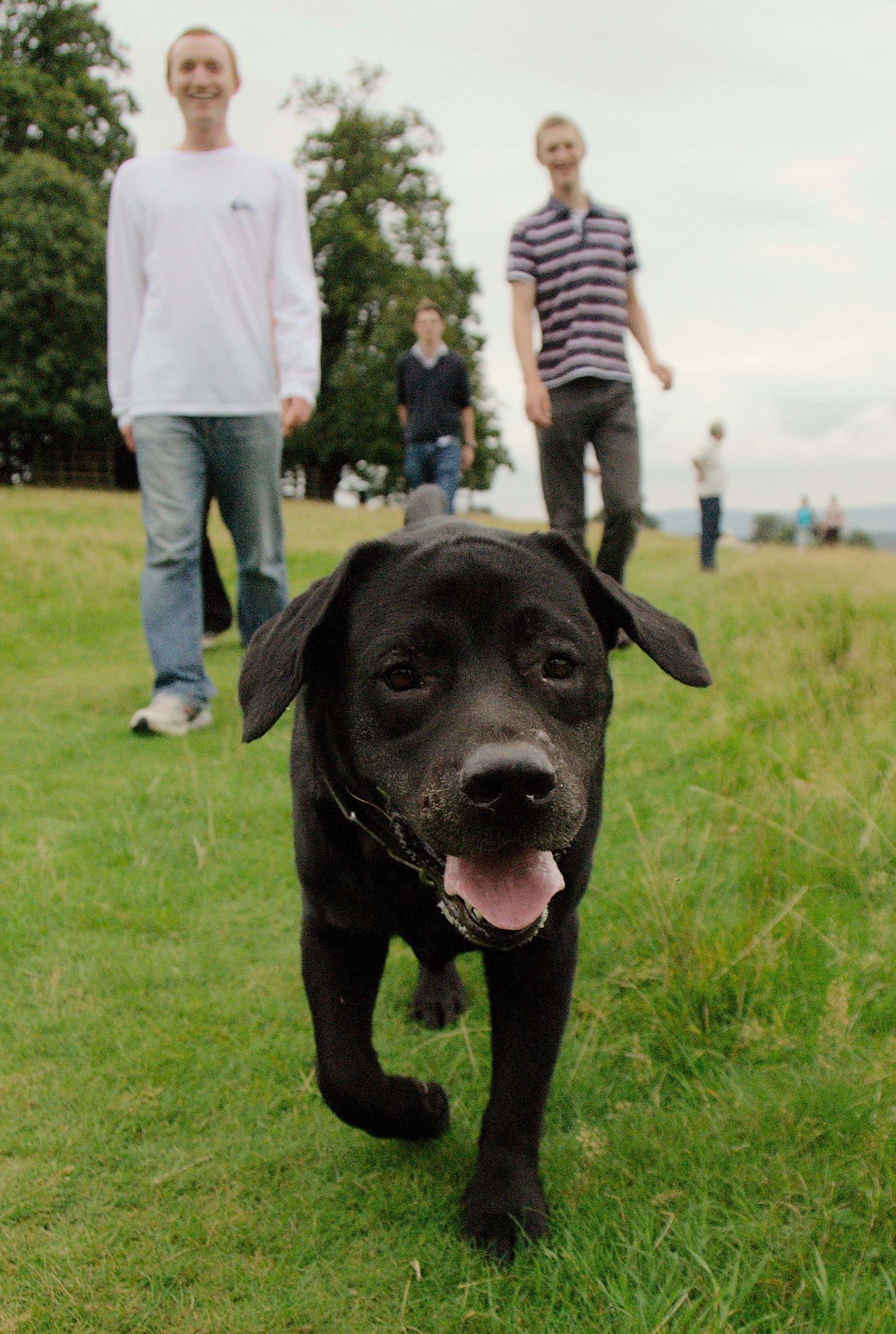
Check out our helpful tips to walking your dog during the hot months of the summer:
- Water – Always have water available for your dog on a walk. Keep in mind your dog’s fur coat leads to heat exhaustion and extreme thirst. You can find foldable dog bowls and bring a water bottle along to provide water for your dog frequently.
- Overheating – Watch for signs your dog may be overheating. Excessive panting, difficulty breathing, increased heart rate, drooling, or weakness are all signs your pet is overheating. Bring your dog to a cool environment as soon as possible and stop any exercise.
- Grass – Keep your dog in a grassy area or anywhere the ground won’t heat up. Pavement can rise to extreme temperatures and will burn the bottoms of your dog’s feet.
- Hottest Hours – Avoid any extended walks during the hot heat hours of the day; primarily between 1-4pm. Take walks in the mornings or evenings, before or after you are at work.
- Clean Up – It is important to make sure you are cleaning up after your pet. Bring a plastic bag to pick up any waste your dog makes along your walk. You wouldn’t want someone else letting their pet use your yard as a bathroom, so be courteous and clean up after your dog.
How do you keep your dog cool on walks? Comment on our blog to let us know!
-
7 Ways To Keep Your Pets Safe On The Fourth Of July
Posted on July 3rd, 2013Pet safety for the Fourth of July.
The Fourth of July is a lot of fun but to your pets it can be a very scary time. This is the biggest time of the year that pets go missing and it is usually because of the loud noise of fireworks that scares them off.
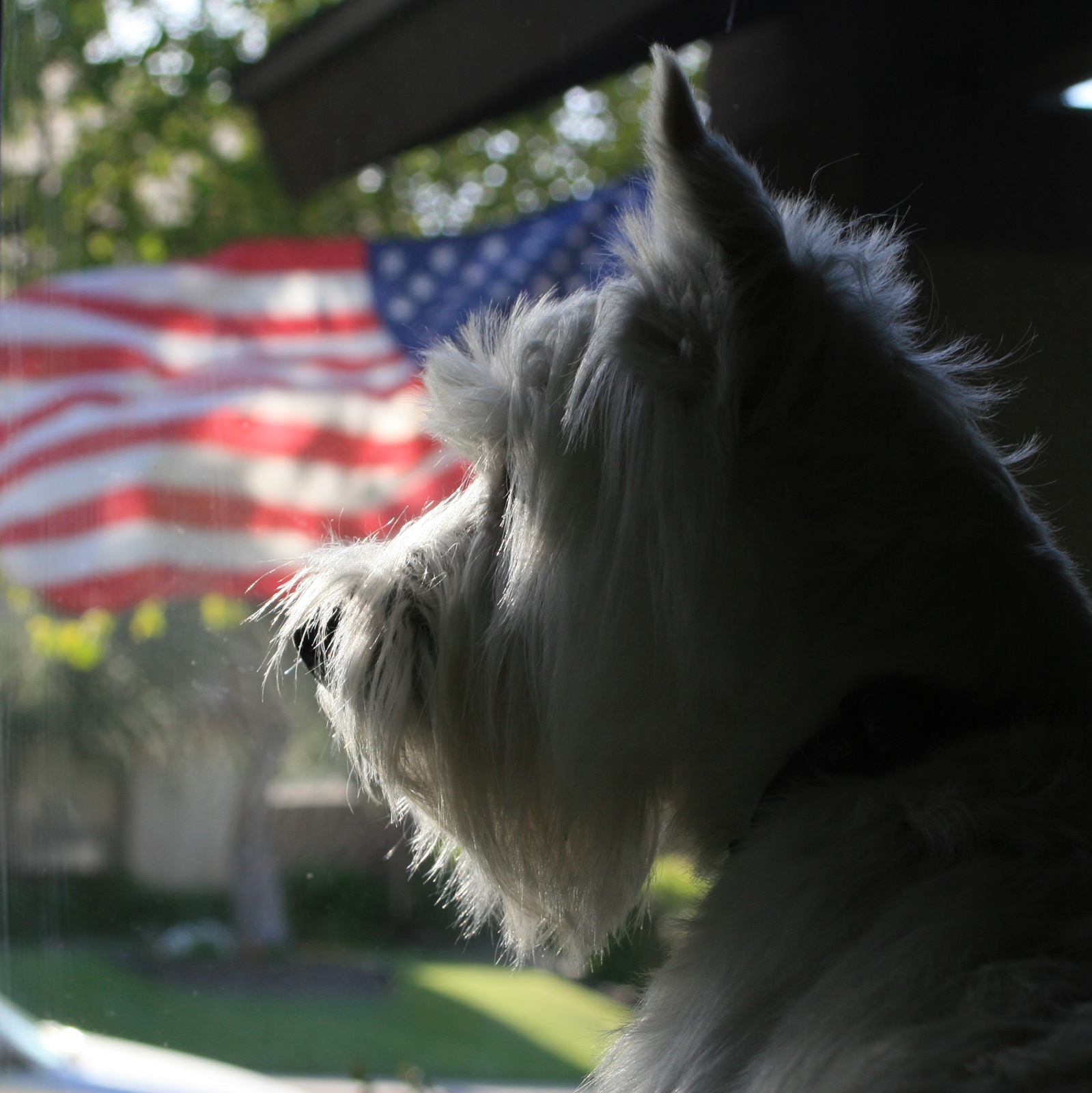
Please keep these helpful tips in mind to keep your pets safe this holiday:
- Keep your pets indoors at all times. Even if your pet is used to being outside, the loud noises from fireworks may make them break free from their restraint or jump the fence if they are trying to find safety from the noise.
- Don’t let your pet drink alcohol. Pets can become dangerously intoxicated, go into a coma or even die from respiratory failure.
- Leave your pet at home if going to watch fireworks. The combination of too many people and loud fireworks will cause your pet to freak out and do anything they can to seek shelter. Do not lock them in the car either!
- Ensure your pet is properly identified. If your pet does manage to get loose, an ID tag with your name and phone number on it will help your dog find his way back home. You also want to make sure your pet is micro-chipped.
- Never use fireworks around your pet. Lit fireworks will not only scare your pet but they can cause severe burns, trauma to the face or paws and even death. They also contain toxic substances even when unused.
- Avoid giving your pet table food while you are barbequing or enjoying a backyard party. Onions, coffee, avocado, grapes, raisins, salt and more are all hazardous to your pets.
- Oils, citronella candles, insect coils and other insect repellant products are toxic to your pet. Inhaling these toxins can result in respiratory illness such as pneumonia and indigestion which can harm your pet’s nervous system.
Do you have any tips to keeping your pets safe on the Fourth of July? Please comment on our blog!
-
The Dangers Of New Carpet
Posted on July 3rd, 2013Eliminate harmful chemicals from new carpet.
Did you know a caustic chemical lurks in the new carpet your house gets? They are called VOCs, Volatile Organic Compounds, and are a substance that contains carbon and that evaporates or “off-gases” at room temperature.
A number of building and household materials may be sources of VOCs. New carpeting, backing, and adhesives; draperies; wood products that use certain glues, finishes, and waxes in the manufacturing process; and vinyl type flooring and wall coverings may all release VOCs into the air.
Studies of animals have shown that breathing some types of VOCs over a long period of time can increase the risk of getting cancer.
Thankfully our product eliminates these caustic VOCs and we even have a wonderful customer testimonial about eliminating VOCs.
As VOCs relate to cancer, I am overjoyed that this takes them out. Everyone should get a kit when they buy a new house, paint a room or stain a deck. I actually used two socks filled with granules in the guest room after I painted with a “low” VOC paint…no smell by morning…fabulous- and healthy! Thanks. ~ Scottie
Are you planning any type of home improvement project? Make sure to keep our Clear The Air on hand to eliminate harmful chemicals such as VOCs that lurk in paint, glues and carpets.
-
Reptiles – How To Properly Care For Them
Posted on June 28th, 2013Cage maintenance for your reptile should receive proper attention.
Reptiles are susceptible to bacterial infections of the skin and digestive tract so cages and housing must be thoroughly and regularly cleaned.
In order to a safe and healthy home for your reptile, routine cage maintenance is necessary by keeping the cage odor-free. It is ideal to place an Odor Remover Bag in the cage to help keep away any foul odors. Clear the Air is completely non-toxic and 100% safe around all types of animals.
Certain precautions need to be taken during cleaning since the fecal matter of reptiles may harbor harmful bacteria such as Salmonella. It is most commonly transmitted to humans through oral ingestion after handling a reptile or contaminated equipment, through open cuts or sores during handling, or through contact with contaminated soil or environmental items. For this reason, your reptile’s cage, furnishings, and cleaning equipment need to be cleaned regularly and periodically disinfected. Sprinkling Clear the Air’s Odor Eliminator will eliminate any odors in your cage and will help to keep your reptile enjoying his home.Wear protective gloves during maintenance and wash your hands thoroughly with hot, soapy water after handling reptiles, reptile cages and equipment, and the stool of reptiles.
Cage Accessories – Before introducing natural items such as rocks and branches into your reptile’s home, make sure they are sterile. Rocks should be thoroughly cleaned and then boiled in water for 30 minutes. Sand can be rinsed with large amounts of water to remove any particulate matter and then heated in an oven at 200-250°F for 30 minutes. Branches should also be cleaned and heated in the same manner.
How Often Should You Clean – The frequency and degree of routine cage cleaning will vary from species to species depending on the size and habits of your reptile. Always read and learn as much as possible regarding the needs and preferences of your reptile, and tailor your cleaning schedule around the needs of your particular pet. For example, cages of large iguanas require more work than those of a snake. As you become more familiar with the needs of your pet, you may have to alter your cleaning schedule as needed. However, in general, you will need to:
- Perform daily cleaning to remove spills, uneaten food, shed skin, and other waste materials. Clean and disinfect food and water dishes daily when providing fresh food and water.
- Clean and disinfect the entire cage, substrate, and decorations weekly.
Do you have any tips of keeping your reptile happy and healthy? Please comment on our blog!
-
Pew! Eliminate Litter Box Odors
Posted on June 27th, 2013No matter how much you love your cat, your cat’s litter box can sometimes be unpleasant.
Clear the Air loves cats and we take special care in making sure our cats’ litter boxes are properly cared for and odor free.
While our product works absolute wonders on the litter box to eliminate and keep odors down, there are other measures you can take to ensure your cat’s litter box is odor free to you and your cat’s noses.

- Use Clear The Air a few times a week to sprinkle over your cat’s litter. Is company about to arrive and your cat leaves a present for you in his litter box? Sprinkle our granules over the “present” and the odor will vanish, we guarantee it!
- Scoop your box at least daily, sometimes even more. The longer urine and feces sit there the more likely the smell will invade the rest of your home.
- Replace litter twice a month depending on how many cats use the litter box. Empty out your entire litter box and wash the box with soap and water. Dry the litter box, sprinkle a thin layer of Clear The Air Cat Urine Odor Eliminator and add then add sand.
- As time goes on, you will want to replace your actual litter box. Your cat’s claws and scooper can make small grooves in the bottom and sides or your litter box. These small grooves are hard to sterilize and hold onto odor.
- Make sure your litter box is in a well-ventilated area. You also want to make sure your cat has plenty of room to get around his litter box. If the box is in a tiny, dark hidden space the odor may be unpleasant and your cat may be more likely to find another unwanted place to use the restroom.
-
9 RV Safety Tips For Your Family Vacation
Posted on June 21st, 2013Summer is here, the kids are out of school and it is time to get the RV out to set out on your family summer vacation.
Clear The Air would like to share some RV safety tips everyone should know when they set out on their trip this summer.
Remember to always use Clear The Air’s Odor Eliminators in your RV to eliminate any odor you may have. Our product works great with refrigerator odors, pet urine or feces odor and any type of musty mildew odor.
- Batteries – Summer heat can wreak havoc on your RV system. Having backup batteries is extremely important so you don’t get stranded somewhere.
- Generator – Use your coach air conditioners when driving rather than your engine (dash) air. Using your coach air conditioner or heat pump will provide good climate control and it will force you to exercise the generator under load.
- Keep Doors Closed – Cabinet doors can pop open when you are traveling and especially if you cross over bumpy terrain. Make sure your cabinet doors are closed and in the locked position.
- Trash – Minimize the use of disposables. Mix your own cold drinks from powders, and assign a mug to each family member rather than using paper cups. Discard excess packaging at home.
- Nature – In hot weather, use natural shade, awnings and canvas covers. In cold weather, park where the RV will be protected from north and west winds.
- Driving – Allow more time to brake, change lanes, and merge onto a busy highway because big vehicles take more time to accelerate and slow down than small ones.
- First Aid – Make sure to have a first aid kit packed and easily accessible. It is also a good idea to have extra phone chargers, flash lights, paper and pens, and bug repellant.
- Campsite – Survey your assigned site. Be sure there are no low-hanging branches or other obstacles that will interfere with the RV. If you have a slideout or awning, be sure there is room on either side for those to fully extend.
- Hookups – If you are hooked to a sewer connection, you can open the gray water tank valve to allow sink and shower water to drain directly into the sewer. It is the smaller of the two valves. Never leave the black water tank valve open.
-
13 Crazy Cat Facts
Posted on June 19th, 2013Clear The Air loves cats! Check out these crazy cat facts for all you cat lovers out there:
- One litter of kittens can be produced by more than one father.
- A cat’s heart beats up to 140 times per minute, or about twice as fast as a human’s.
- Many people think that cats are colorblind, but it’s a myth. Now we know that cats can see blues, reds and greens. Also, many cats don’t have eyelashes.
- Cats will spend about a third of the day grooming. The process is helped along by the backwards-facing spikes on their tongues. Now you know why it feels like being rubbed with sandpaper when they lick you. They will also spend about 16 hours a day sleeping.
- Puss, a cat from England, lived to be 36 in human years: the oldest cat on record.
- Ancient Egyptians shaved their eyebrows in mourning when their cats died. And if someone killed a cat, he or she could get the death penalty.
- Cats weigh an average of 12 pounds. The heaviest cat on record weighed nearly 47 pounds. The lightest was one pound, eight ounces.
- When kittens are born, their eyes are blue – but they often change color as the babies grow. The will also start dreaming when they’re about one week old.
- Cats can be trained to use the toilet as their litter box. Some can even be taught to flush when they’re done.
- Researchers have tried mouse-flavored cat food. The cats who were introduced to it refused to eat it.
- You might think it’s disgusting when your cat brings you dead prey (like a bird or mouse), but you should thank her anyway. She thinks that she’s bringing you a present.
- Cats rarely meow at other cats. Often a cat meows to his human when you come home or even to greet you when you see each other in the house or yard.
- And our favorite – our cats don’t think of themselves as small humans. Rather, they think of us as large cats.
-
How To Eliminate Skunk Odor
Posted on June 14th, 2013Eliminating skunk odor.
Have you or your pet been sprayed by a skunk? Clear The Air would like to share some tips on eliminating that terrible skunk odor from yourself, your pet, your furniture and your yard.
You hear a noise outside and open the door and in runs your dog that has been sprayed by a skunk, before you know it he has rubbed all over your furniture, rugs and you! Clear The Air Odor Eliminator for Skunk Odors will completely eliminate the smell from your dog, the furniture, carpets, lawn/shrubs, and you.
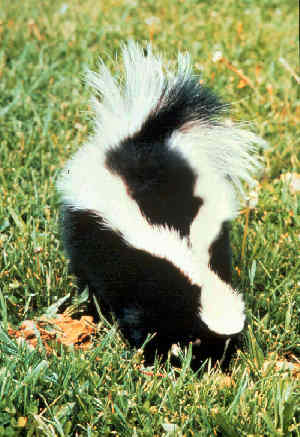
This unique form of Earth Care Products Mineral can be sprinkled directly on your pet, as well as inside and out side to eliminate skunk odors. Clear The Air does not have to come into contact with the odor producer; it will pull the odors from the entire area. Clear The Air draws in odors like a powerful magnet. The odors are adsorbed, and neutralized without any fragrances. Clear The Air does not cover up odors; it literally ”clears the air“ leaving the air fresh and clean.
Clear The Air is made from an all natural mineral, is non toxic and biodegradable and safe for Planet Earth. It is safe around children and pets even if eaten. Granules are totally safe for all lawns and vegetation. No need to remove granules from your lawn or vegetation, as they provide an excellent time-released nitrogen fertilizer.