


-
The Key Tips To Bunny Care
Posted on May 8th, 2013Did you know a rabbit can be trained to use a litter box, come when you call them and sometimes play tag with you? Domestic rabbits make great pets and if well cared for, indoor rabbits can live for seven to ten or more years.
Clear the Air would like to share some helpful tips to caring for your bunny rabbit:

- Bunnies should be kept indoors in a cage large enough from him to move freely. If you have a wire cage, it is a good idea to cover the bottom with a piece of wood or corrugated cardboard since wire bottoms can ulcerate your rabbit’s feet. For bedding, you can use hay, aspen shavings or straw so he can make a cozy nest.
- Sprinkle Clear The Air at the bottom of their cage to eliminate any odors caused by your bunny. Our product is 100% non-toxic and safe even if ingested.
- Your rabbit’s diet should consist mostly of grass hay, such as timothy or brome. This helps keep his intestinal tract healthy and unlimited hay should be available at all times. You should also feed your bunny rabbit pellets that are of good quality. Fresh leafy greens are the third important component of your pet’s diet such as turnip greens, carrot tops, collard greens or dark leaf lettuces.
- Always have clean fresh water available for your rabbit.
- Rabbits will do their best to keep their living quarters clean as they are very clean animals by nature. They will usually choose one corner in their cage as their bathroom. To help litter train your bunny, once you see where his bathroom area he has chosen is, put a newspaper lined litter box in that corner. Fill it with pelleted newspaper litter. Don’t use pine or cedar shavings as these fumes can cause problems to your rabbits liver enzymes.
- Brush your bunny regularly and handle him often very gently and he will become a wonderful family pet!
-
Warning: Don’t Let Musty Odors Invade Your Basement
Posted on May 6th, 2013Clear the Air would like to share some helpful tips to keeping your basement musty odor-free!
Does your basement have a distinct odor you smell every time you walk into it? Clear the Air’s special formula will help eliminate foul musty and mildew odors keeping your basement inviting and odorless!
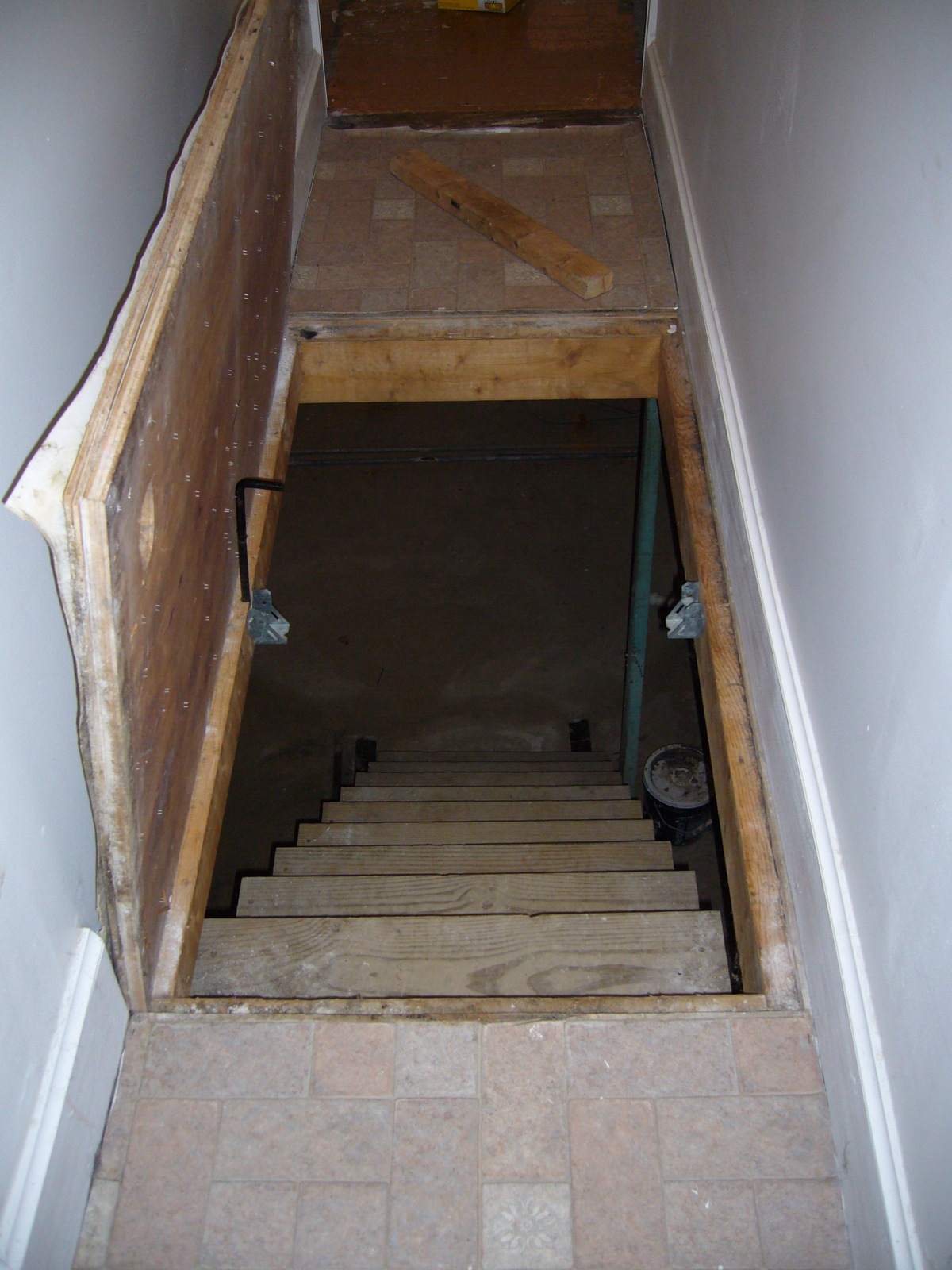
Simple and cost effective to use Earth Care is the answer to your basements musty mildew odors. This unique form of Earth Care Products Mineral does not have to come into contact with the odor producer; it will pull the odors from the entire area.
Clear The Air draws in odors like a powerful magnet. The odors are adsorbed, and neutralized without any fragrances. Clear The Air does not cover up odors; it literally “clears the air” leaving the air fresh and clean. Clear The Air is made from an all natural mineral, is non toxic and biodegradable and safe for Planet Earth.
It is also safe around children and pets even if eaten.
Directions to Eliminate Musty Mildew Odors from your Basement
- Hang 1-2 bags in basement. One bag cover up to 100 square feet.
- Bags will continue to eliminate musty odors for up to 3 months.
- If odors are strong (or you have had a flood) also sprinkle Clear The Air Odor Eliminator for Concrete or Carpet granules on floor, leave down 24 hours and sweep or vacuum. Odors will be completely eliminated.
- One canister of Clear The Air Odor Eliminator For Concrete or Carpet granules covers approximately 100 square feet.
-
7 Steps To Your Pets’ Healthy Life
Posted on May 2nd, 2013Tips for a healthy dog and cat.
Here at Clear the Air, we love our pets and want to provide them with a long and happy life. We would like to share some tips on keeping your pets’ happy and healthy.
Do you have any tips you’d like to share? Comment on our blog!
Regular Vet Visits – Just like a human, your pet can get heart problems or have arthritis. Prevent any issues by taking your pet to the vet to prevent any issues or catch them early.
- Spay And Neuter – Sadly 8-10 million pets end up in US shelters every year. An easy way to stop that number from growing is to spay and neuter your cats and dogs. Not only does spaying and neutering cut down on the number of unwanted pets, it also can lower the risk of certain cancers and can reduce the risk of a pet getting lost by lowering the tendency to roam.
- Parasite Prevention – Fleas and ticks are the most common external parasite to plague pets. Fleas can lead to irritate skin, hot spots, infection and hair loss. If your pet swallows a flea, it can end up with tapeworms. Year round prevention of parasites is important to your pets’ health.
- Weight Control – Just like humans, obesity in pets in dangerous to your health. Do not over feed your pet. They need far fewer calories than most of us think. Ask your vet for feeding instructions.
- Enriched Environment – Mental simulation for your pet is key to long term health and welfare for your cat and dog. Daily walks for dogs and scratching posts, window perches and toys for your cats are great for your pets.
- Dental Care – Pets can suffer from gum disease, tooth loss and tooth pain. Make sure to keep up on regular brushing and oral cleanings to make sure your pets’ teeth stay healthy and clean.
- No People Medication – Medicines for humans can kill your pet. The most common pet poisoning culprits are ibuprofen and naproxen. They can cause kidney damage, seizures and cardiac arrest in a dog or cat.
-
Danger: Garden Plants Toxic To Pets
Posted on May 1st, 2013Planning a garden for the spring? Make sure you stay away from planting these plants if you have pets!
Clear the Air would like to share some toxic plants you should avoid planting in your garden if you have pets. Check them out below:
Flowers
- Lilies: Any member of the lily family, from onions and leeks to Easter lilies are toxic to cats. Dogs may also be victim to this plant family.
- Oleander: This beautiful flowering bush is a danger to pets and to humans. A dog may think it’s great for a quick game of fetch, but that might be the last game the dog will ever play.
- Foxglove: Pharmaceutical companies use this biennial to make drugs for the digoxin family. It acts on the heart and can kill quickly.
Fruits
- Grapes: It doesn’t take many grapes or raisins to kill a dog, and the faster the animal gets to a vet, the greater the chance it won’t die. If your grape vine is like mine, it might be easier to keep the dog away from the vine as they fall off faster than they can be picked.
- Apple Family: Cats probably won’t be bothered by this because they don’t have a desire/need to chew on things. Dogs, on the other hand, are far more likely to have problems. Like oleander, the sticks are toxic. The cyanide content from the inedible parts of this family can kill. This family includes apricots, plums, cherries, apples and peaches.
Herbs
- Comfrey: Eating this plant can cause liver problems, no matter the species. It’s not a common herb garden plant, but it is beautiful, so it could be found in a flower bed.
- Chrysanthemum Family: Like the onion family, there are a lot of plants and they don’t look like they are related. Pyrethrum is used as fly spray on horses, and there are those who feel that it is dangerous. Stronger versions include wormwood, mugwort and southernwood. The latter is very aromatic.
Vegetables
- Tomato Family: Many vegetables in a veggie patch are related to tomatoes. This includes potatoes, eggplant and peppers. They are all members of the nightshade family. The edible parts are just that; edible. However, the rest of the plant, including leaves, is not safe.
When you are planning a garden, it’s a good idea to look up each plant. You can also talk to someone at the local nursery to make sure your pets are kept safe.
-
How Safe Is Your Pet From Fleas?
Posted on April 26th, 2013Summer is around the corner and that means flea season.
Clear the Air wants to protect your pets from harmful pests such as fleas.
Is your pet safe from fleas? Follow these helpful steps below to make sure your pets aren’t overtaken by flea infestation this summer:
- Clean your home thoroughly. For any level of flea infestation, you will need to do a thorough house cleaning. Vacuum every corner of your home, wash all your dog’s bedding and toys, and vacuum your car too. Even if you don’t take your dog in the car, fleas can travel on yourself and stay in your car when you leave the home.
- Use a spot on medication such as Advantage or Frontline. Although only applied to one spot on your pet, spot on medicine is extremely effective at covering your pet’s entire body. The medicine is not affected by bathing, swimming or rain and will kill and repel fleas for several weeks before application. Make sure to purchase one that is appropriate for your dog’s age and size.
- If your flea infestation is serious, oral medications when combined with spot on medications will work to disrupt the life cycle of fleas. Try hiding the medicine in your dog’s food or smashing it into a powder and mixing it in your cat’s wet food.
- Bathe your dog with special medicated shampoo that kills fleas on contact. This process usually needs to be repeated every two weeks as the effective ingredients in these shampoos don’t last as long as spot-on or oral medications.
- Keep your yard trimmed back to help reduce the population of fleas. You can try using various yard sprays or granular treatments available at your veterinarian or garden center.
-
Prepare Your Dog for a New Baby
Posted on April 24th, 2013Tips to get your dog ready for a new baby.
Bringing home a new baby can be stressful on your pets, especially if you have always treated them like your “babies”! Check out Adopt A Pet’s helpful tips on bringing home a new baby and how to prepare your dog for the new family addition.

What does your dog expect when you’re expecting? We’ve heard stories of dogs curling around pregnant bellies, stealing baby toys, and many other silly and wonderful stories from our pregnant friends and family about their dogs behavior when a human baby is on the way! Our friends over at Bark Busters —the world’s largest dog training company—offers tips to help families ensure a smooth transition for their dog when bringing home a new baby.
If you are expecting a baby and you have a dog, take time now to prepare your dog for the day you bring home your new child. “Dogs can feel rejected and become confused or stressed when parents suddenly shift their attention from dog to baby,” said Liam Crowe, CEO and master dog behavioral therapist of Bark Busters USA. “A dog doesn’t understand why a baby is being elevated above the dog in the pack. In trying to regain his pack position, the dog may seek attention through behaviors such as barking at the baby’s cries, jumping up, or chewing on baby’s things.”
Head on over to the BarkBuster’s Tips to Help Prepare Your Dog for the Arrival of a New Baby for help reducing bad behavior, easing everyone’s stress, and help to keep baby safe.
-
Why Does My Cat Have Whiskers?
Posted on April 15th, 2013What does a cat use its whiskers for?
Whiskers are a very important part of your cat’s body. Whiskers, like hair and nails, fall out and are replaced.
Whiskers are different from your cat’s body hair. They are two to three times thicker than your cat’s hair and are rooted very keep in your cat’s face into an area which is rich in nerves and blood vessels.
Cats have whiskers on their checks as well as shorter ones above their eyebrows, on their chin and on the back of their front legs. A cat’s facial whiskers are good for navigation, mood indication, and measuring an opening.
Whiskers help a cat feel his way around and are so sensitive they can detect the slightest directional change in a breeze. This helps a cat at night slink away through a room and not bump into anything. When a cat is angry or feels defensive, his whiskers will be pulled back. If the cat is happy, curios or content, his whiskers are more relaxed and can even be pushed forward.
Whiskers on a cat are primarily used to help a cat judge whether or not he’ll fit through an opening. A cat’s whiskers are roughly as wide as his body – being used as sort of a natural ruler. Whisker tips are sensitive to pressure. You’ll most likely see a cat stick his head in and out of an opening before he puts his body in it. By doing this, he judges the width of the opening to see if he can fit.
What other facts do you know about a cat’s whiskers? Please comment on our blog to share with us!
-
How To Keep Rats Out Of Your Home And Yard
Posted on April 11th, 2013Don’t let rats invade your home.
Both rats and mice can cause major destruction to your home. Clear the Air would like to share some tips to avoid a rat infestation in your home.
First you need to check to see if you have rats. Look to see if you see mouse or rat droppings. In your yard, you can check weedy places, under boards and dog houses or near garbage cans to see if a rat has made a burrow or nest. Also any holes or edges around your home and yard with chewed edges are sure signs of a rat or mouse.
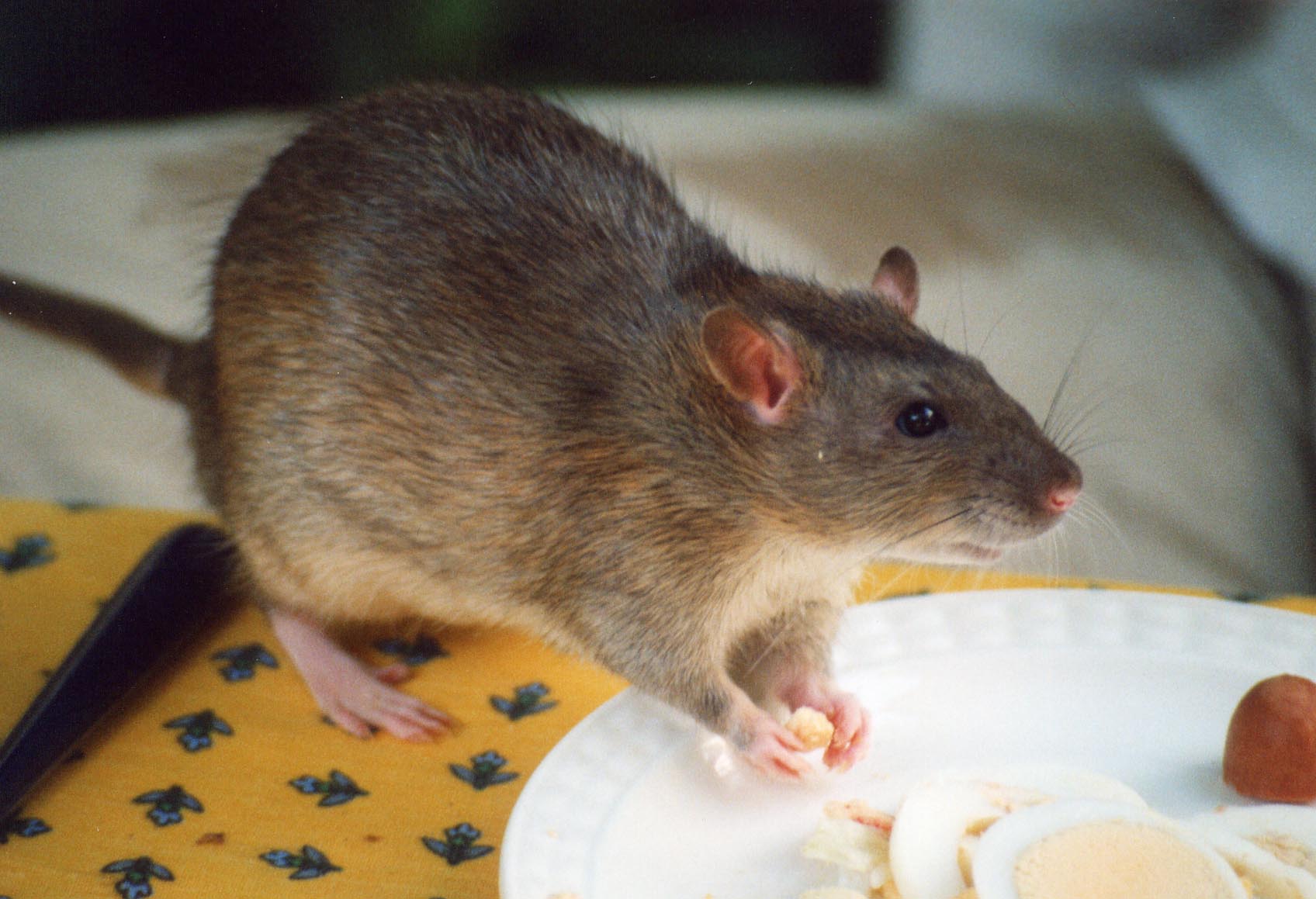
Rats and mice breed fast. A mouse can have several young when she’s two months old. Then, two months later, her young will breed. In the meantime, the mother will produce another litter. So you must keep working to get rid of them. Here are some tips to keeping them out of your property:
- Keep garbage in tightly covered cans. Feed dogs and cats in a dish, then take up the food they don’t eat. Don’t leave it out for rats and mice.
- Remove trash, old boards, weeds and junk cars. Rats and mice like to hide in such places. Don’t pile wood against the house. Store wood and other materials at least a foot off the ground.
- Keep doors closed. Cover windows with screens. One-fourth inch or smaller mesh will keep rats and mice out. Keep floor drains tightly sealed. Cement or caulk around pipes and cables where they pass through walls. Mice can get through any hole that will admit the tip of your little finger.
- If you use poison or a trap to kill your rats, chances are the rat will die in the wall of your home. This can cause a horrendous odor and thankfully Clear the Air has an easy solution to rid your home of that dead rat odor. Click here to learn more about eliminating dead rodent odor.
- Birdhouses and seed should be on poles and in trays rats can’t get.
- Roof rats get into your house from tree branches that hang over the roof. Keep trees cut back and cover any openings in the eves.
-
The Dangers Of Mold In Your Home
Posted on April 10th, 2013Mold and mildew can be found many places in your home.
Mold loves any type of warm or humid environment and can live off any organic matter. This means anything from a peach to an old newspaper or bathroom wall can have mold growing on it.
Mildew, a form of mold or fugus, can penetrate a living area or workspace if there is a high level of moisture in the air. You have probably experience that musty mildew odor when you go down into your basement. Mildew can come through walls, windows, doors carpets or under the refrigerator.

Mold should not be breathed in over long periods of time. Unfortunately our homes and offices are usually infested with toxic mold and mildew. Since it hides in cracks in the walls along with other invisible places, we are usually unaware we are breathing in these harmful effects.
Clear the Air can eliminate that musty mildew odor from your home. Especially if you have had a flood, our product works great to take away that smell of moisture in the air. Basements are another perfect place to use our product. Mold growth in homes and offices are a dangerous issue. if you recognize the symptoms of mold in your home, make an effort to protect your family and yourself.
Here are some tips to eliminate musty mildew odors:
- Hang 1-2 bags in basement. One bag cover up to 100 square feet.
- Bags will continue to eliminate musty odors for up to 3 months.
- If odors are strong (or you have had a flood) also sprinkle Clear The Air Odor Eliminator for Concrete or Carpet granules on floor, leave down 24 hours and sweep or vacuum. Odors will be completely eliminated.
- One canister of Clear The Air Odor Eliminator For Concrete or Carpet granules covers approximately 100 square feet.
-
Why Does My Dog Roll In Things That Smell?
Posted on April 2nd, 2013My dog smells!
Have you been on a walk with your dog and he runs off to pick the smelliest thing possible to roll around in? Don’t worry its normal!
We’re not sure why exactly dogs do it, but when they smell something that may smell bad to us; they have a tendency to roll in it.
Why do dogs roll in foul smelling things?
Maybe it is because they want to mask their scent just as their ancestors, the wolves do. Wolves roll in decomposing carcasses or the feces of herbivores to disguise themselves. By covering up their odors, their prey will not be alarmed by their scent allowing them to sneak up on their pretty and having a better chance at making a kill.
Another reason for dogs rolling around in things that have a strong odor is to tell their pack mates where they’ve been and what they’ve encountered in their adventures.
How do I prevent my dog from bringing home the smelly odor? Remember, rolling around in something that is smelly is a natural action for your dog. You should not punish your dog for this behavior but you can discourage him from doing it with these tips:
- If your dog rolls around in his own feces, immediately clean him up in your yard.
- Keep your dog on a short leash when walking him to prevent him from rolling around in other dog’s poop or other smelly things.
- You can also try making a loud or sudden noise when your dog starts to roll in something smelly. He will start to associate rolling around with the unpleasant experience of the noise you make.
Of course, if your dog rolls around in something foul smelling, the easiest way to eliminate the odor is to sprinkle Clear the Air’s Pet Odor Eliminator directly on his coat. It is non-toxic and 100% all natural.