


-
How To Get Rid Of Odors In Your Refrigerator
Posted on January 25th, 2013Do you open up your fridge and immediately your whole kitchen smells because the leftovers are a few days too old? Don’t let refrigerator odors get you down – use Clear the Air Odor Eliminator Bags.
All you have to do is simply place the Odor Eliminator Bag in your refrigerator and foul odors will be eliminated. The bags last up to 3 months.
These bags are perfect for refrigerators in your RV or boat, should the power get turned off and food spoil in the fridge. Bags are easy to use and last an average of 3-4 months in use and contain no chemicals, toxins or fragrances. Simply place the bag near the odor and in 24 hours the odor will be gone.
Earth Care does not mask odors it removes them. Its contents are bio-degradable, non-flammable, non-toxic, safe around children, pets, & mother earth.
Do you have questions about our product? Please contact our customer service representative, Pat, and she will help answer all your questions.
-
We’re A Green Product
Posted on January 15th, 2013Everyone wants to use green products nowadays. Not only is Clear the Air green, but it is so safe you can eat it! Our product can be used anywhere in the house to eliminate foul odors and doesn’t even have to come in contact with the odor producer.
For example, if you have a rat that died in the walls of your house, simply hang a bag or two where the odor is strongest and the odor will be eliminated. It’s really as simple as that.
Earth Care is made from an all natural mineral. It is non toxic, non hazardous, non-caustic, and biodegradable. It can safely be used around pets and children. It is safe to sprinkle in your pet’s cage; it will not hurt your pet even if eaten. It can be applied directly to you pets fur; this is excellent if your pet has encountered a skunk, or to get rid of the “doggie” smell.
Many of the odor and pollution control products on the market today act merely as masking agents. This means they add chemicals to the air to cover up odors and actually increase the level of indoor pollutants in the process. Earth Care, on the other hand, truly eliminates odors and cleans the air by adsorbing and neutralizing odors. Earth Care Products are especially beneficial to those that suffer from chemical sensitivity which can be aggravated by fragrances.
Earth Care is safe for Planet Earth. To dispose of Earth Care simply add to your soil, it is an excellent nitrogen soil amendment.
Where have you used our product? We’d love to hear from you. Please leave a comment at our blog!
-
New Year’s Eve Pet Safety
Posted on December 31st, 2012Keeping Your Pets Safe On New Year’s Eve
When you are welcoming in the New Year tonight, keep in mind your pets and other animals may not be so enthusiastic about the noise.
Pet’s ears tend to suffer from the noise made by firecrackers blasts, causing them to tremble, bark excessively, refuse to eat food, hide or run away and sometimes even lose bowel control. Besides the noise, fireworks also produce plumes of smoke that may harm animal’s respiratory systems.
Follow these helpful tips from PETA on how to keep pets and other animals safe during New Year festivities:
- Keep cats and dogs indoors in a room where they feel safe during fireworks displays and, if possible, stay with them.
- Act happy and calm around scared animals in order to reinforce the idea that they don’t have a reason to be afraid.
- Leave your animals at home during the celebrations – never take them with you to watch firecracker displays.
- Never leave animals tethered or chained outside.
- Close your windows and curtains. Turn on a radio that’s tuned to a classical music station, or turn on the TV to help drown out the sound of the fireworks.
- Watch for stray animals who may be distressed. If you see an animal injured by fireworks, call your local Humane Society.
-
Skin and Paw Care Tips For The Winter
Posted on December 28th, 2012Now is the time to visit the mountains and go skiing or take a trip to the snow with your family. If you are bringing your dog with you, please keep these winter tips from the ASPCA in mind.
Exposure to winter’s dry, cold air and chilly rain, sleet and snow can cause chapped paws and itchy, flaking skin, but these aren’t the only discomforts pets can suffer. Winter walks can become downright dangerous if chemicals from ice-melting agents are licked off of bare paws.
Says Dr. Louise Murray, ASPCA Director of Medicine, “During the winter, products used as de-icers on sidewalks and other areas can lead to trouble for our animal companions, potentially causing problems ranging from sore feet to internal toxicity. Pet parents should take precautions to minimize their furry friends’ exposure to such agents.”
To help prevent cold weather dangers from affecting your pet’s paws and skin, please heed the following advice from our experts:
- Repeatedly coming out of the cold into the dry heat can cause itchy, flaking skin. Keep your home humidified and towel dry your pet as soon as he comes inside, paying special attention to his feet and in between the toes.
- Trim long-haired dogs to minimize the clinging of ice balls, salt crystals and de-icing chemicals that can dry on the skin. (Don’t neglect the hair between the toes!)
- Bring a towel on long walks to clean off stinging, irritated paws. After each walk, wash and dry your pet’s feet to remove ice, salt and chemicals—and check for cracks in paw pads or redness between the toes.
- Bathe your pets as little as possible during cold spells. Washing too often can remove essential oils and increase the chance of developing dry, flaky skin. If your pooch must be bathed, ask your vet to recommend a moisturizing shampoo and/or rinse.
- Dressing your pet in a sweater or coat will help to retain body heat and prevent skin from getting dry.
- Booties help minimize contact with painful salt crystals, poisonous anti-freeze and chemical ice-melting agents. They can also help prevent sand and salt from getting lodged in between bare toes, causing irritation. Use pet-friendly ice melts whenever possible.
- Massaging petroleum jelly into paw pads before going outside helps to protect from salt and chemical agents. And moisturizing after a good toweling off helps to heal chapped paws.
- Brushing your pet regularly not only gets rid of dead hair, but also stimulates blood circulation, improving the skin’s overall condition.
- Pets burn extra energy by trying to stay warm in wintertime, sometimes causing dehydration. Feeding your pet a little bit more during the cold weather and making sure she has plenty of water to drink will help to keep her well-hydrated, and her skin less dry.
- Remember, if the weather’s too cold for you, it’s probably too cold for your pet. Animal companions should remain indoors as much as possible during the winter months and never be left alone in vehicles when the mercury drops.
For more information about pet care in winter, please read our Top Ten Cold Weather Tips. If you spot wounds or redness on your pet’s feet, please contact your veterinarian immediately.
Read more at: http://www.aspca.org/pet-care/pet-care-tips/top-ten-winter-skin-paw-care-tips
-
Keep Your Pets Warm This Winter
Posted on December 24th, 2012Merry Christmas from Clear the Air! We would like to share some tips to keeping your pets warm this winter from the Humane Society of the United States.
Keep in mind, dogs and cats are social animals who crave human companionship. Your animal companions deserve to live indoors with you and your family.
In many areas, winter is a season of bitter cold and numbing wetness. Extra precautions during winter months will make sure your four-footed family members stay safe and warm.
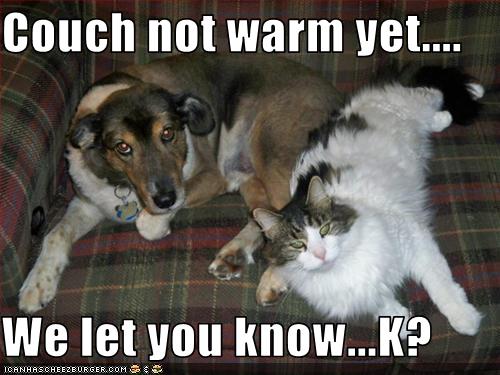
Help your pets remain happy and healthy during the colder months by following these simple guidelines:
Indoors and warm – Don’t leave dogs or cats outdoors when the temperature drops. Most dogs, and all cats, are safer indoors, except when taken out for exercise. No matter what the temperature, windchill can threaten a pet’s life. Regardless of the season, shorthaired, very young, or old dogs and all cats should never be left outside without supervision. Short-coated dogs may feel more comfortable wearing a sweater during walks.
The best way to keep your pets safe (and happy) is to keep them with you.
If your dog spends a lot of time outside – A dog or cat is happiest and healthiest when kept indoors. If for some reason your dog is outdoors much of the day, he or she must be protected by a dry, draft-free shelter that is large enough to allow the dog to sit and lie down comfortably, but small enough to hold in his/her body heat. The floor should be raised a few inches off the ground and covered with cedar shavings or straw. The house should be turned to face away from the wind, and the doorway should be covered with waterproof burlap or heavy plastic.
Keep the water flowing – Pets who spend a lot of time outdoors need more food in the winter because keeping warm depletes energy. Routinely check your pet’s water dish to make certain the water is fresh and unfrozen. Use plastic food and water bowls rather than metal; when the temperature is low, your pet’s tongue can stick and freeze to metal.
Be careful with cars – Warm engines in parked cars attract cats and small wildlife, who may crawl up under the hood. To avoid injuring any hidden animals, bang on your car’s hood to scare them away before starting your engine.
Safety and salt – The salt and other chemicals used to melt snow and ice can irritate the pads of your pet’s feet. Wipe all paws with a damp towel before your pet licks them and irritates his/her mouth.
Avoid antifreeze – Antifreeze is a deadly poison, but it has a sweet taste that may attract animals and children. Wipe up spills and store antifreeze (and all household chemicals) out of reach. Better yet, use antifreeze-coolant made with propylene glycol; if swallowed in small amounts, it will not hurt pets, wildlife, or your family.
The best tip of all: keep your pets with you – Probably the best prescription for winter’s woes is to keep your dog or cat inside with you and your family. The happiest dogs are those who are taken out frequently for walks and exercise, but kept inside the rest of the time.
-
Winter Exercise Plans For Your Dog
Posted on December 18th, 2012Winter is here and it isn’t always easy to make sure your dog gets exercise when you may have to be confined indoors.
At Clear the Air we truly believe in the importance of keeping your dog happy and healthy and this is achieved through exercise. Check out the ASPCA’s tips for winter exercise for your dog:
Getting pets who dislike the cold to go outside in winter can be a challenge, but chilly weather or not, pets need fresh air and exercise. ASPCA experts assure us that while short-haired and smaller breeds may require cozy apparel to protect them from winter’s bite, others simply need a little training to learn how to enjoy a cold-weather romp.
1. Entice your pooch with off-leash exercise sessions, playing tug or fetch, or romping with canine buddies—the more aerobic the activity, the warmer the dog will be.
2. If your dog’s playing off-leash, you can use treats to reward her for fetching toys—even if you usually don’t have to. The extra incentive might further spark her interest in the great (and chilly!) outdoors.
3. Offer your pet special treats during outdoor excursions. While on a brisk walk, pop something delicious into her mouth every now and then—or feed her breakfast by hand while outdoors.
4. Winter is a great time to enroll in indoor training classes. Sports like agility and flyball are often taught in heated facilities and are excellent exercise for the canine body and mind—and you’ll enjoy them, too!
5. Walk your pet in wooded areas during the winter months. The forest not only provides protection from wind, but the rich smells, sights and sounds can be infinitely interesting for dogs to investigate, distracting them from chilly temperatures.
6. Many dogs dislike going outside during winter because snow, salt and chemical de-icers hurt their paws. Canine booties can protect paws, while keeping them warm—and disposable latex boots are available for dogs who don’t like the feel of thicker boots.
7. Musher’s Secret, a waxy substance that you can apply to your dog’s paws, can be an effective alternative to booties for protecting toes and paw pads in snow and ice.
8. Getting your dog to play outside may simply be a matter of keeping her warm:
- Dress puppies—who don’t have as much body fat as adults—in a coat or sweater.
- Get waterproof gear for wet days.
- Invest in a well-fitting coat that covers your dog’s back and underside. (Fleece is nice!)
- Staying warm during winter takes more energy, so increased food intake may be necessary. Good body condition means you can feel, but not see, your dog’s bones. If you can see his spine, hips and ribs, then he’s too thin and you should talk to your veterinarian about increasing his food intake.
9. If you’ve tried everything and your dog still seems miserable when you take her outside, provide extra exercise indoors by playing games that involve physical exertion, like tug-of-war.
10. Help your dog expend mental energy by feeding her meals in food-puzzle toys, giving her plenty of things to chew, teaching her new tricks and playing interactive games like hide-and-seek.
Make sure your dog has access to shelter and water at all times. And please remember, if you’re cold, your dog probably is, too, and it’s time to come home.
Article can be found at: http://www.aspca.org/pet-care/pet-care-tips/winter-exercise-guidelines
-
Keep Your Cat’s Litter Box Smelling Its Best
Posted on December 12th, 2012Do you have a cat? Are you regularly reminded you have one by the way your litter box smells?
If you are expecting company for the holidays, you will probably want to keep Clear the Air on hand to sprinkle on your cats litter box to make the odor non-existent while making the litter box more appealing for your cat.
We have provided some helpful cat litter tips:
Scooping – The number one rule, and the only thing that will keep litter box odor at bay, is constant cleaning. That means scooping the box out at least twice a day, removing the solids and liquid clumps if you use clumping litter. If you don’t use clumping litter, you can use a large solid metal spoon to lift out the most urine-soaked areas each time you clean and add litter as needed to replace what is removed.
Washing Your Litter Box – You should also get in the habit of washing the litter box at least every other week if not more. Use a mild unscented dish detergent and rinse clean. Remember to clean your scooper too. When the box is dry, sprinkle a thin layer of our Cat Urine Odor Eliminator in the box first. Then add two to three inches of litter. Cats do not like a deep tray of litter and this allows you to add litter as you scoop.
Type of Litter – Some have perfumes and others have additives to only cover the smell. To a cat, these smells can be overwhelming and make the box unwelcoming. It is usually a good idea to get unscented litter and sprinkle our Cat Urine Odor Eliminator in the box to eliminate the odor, not cover it up.
Type of Litter Box – Using the largest box your home can accommodate is the best idea. A good rule of thumb is to get a box that is at least twice as long as your adult cat and wide as the cat is long. Even though a covered box is nicer to look at, most cats don’t like them and they also trap odors inside making it unpleasant for your pet to enter. Cats claws can get stuck in liners when they are digging for a place to relieve themselves and the urine can also seep into the liner, trapping odors in the box.
Location – Lastly, location of your cats litter box is very important to keep your pet happy to relieve himself in the correct areas. The rule is one litter box per cat plus one. If your cat is on the third floor of your house and the litter box is in the basement, he may not decide to make the long trek. It is important to have the boxes in different locations. Also make sure the box is in a low traffic area, away from his or her food and in a place that your cat can easily get in and out of.
These suggestions may take a lot of effort but not only with your cat be happier but you will as well, not having to put up with cat urine odors. Remember to pick up Clear the Air’s Cat Urine Odor Eliminator available at all Petco stores or online.
-
Hurricane Sandy – We Want To Help
Posted on November 30th, 2012Our hearts go out to Hurricane Sandy victims…there is still so much clean up to be done on the East Coast and we want to help. Please watch our special Hurricane Sandy video:
-
Why Do Dogs Chew?
Posted on November 28th, 2012Do you have a dog who loves to chew at home? Read our blog article:
We can’t believe it has been over a year now since we acquired our youngest addition to the family, Zimba. While it has been so much fun watching him grow into his over-sized body and bumble around, he sure has caused some minor destruction with his need to chew.
Bill’s nook has been chewed so it no longer can be turned off, shoes have been chewed, furniture, etc. But, of course we still love the big guy.
We are sharing an article on Why Dogs Chew from the ASPCA. If you are looking to get a puppy or even adult dog for someone this Christmas, these tips on why dogs chew will definitely be useful reading material.
Do you have a chewer at home? Please share with us by commenting on our blog.
It’s perfectly normal for puppies and dogs to chew on objects as they explore the world. For young dogs, it’s a way to relieve pain that might be caused by incoming teeth. For older dogs, it’s a way to keep jaws strong and teeth clean.
But sometimes natural chewing can become destructive for dogs seeking to combat boredom or relieve mild anxiety or frustration. Dogs who chew to relieve the stress of separation anxiety usually only chew when left alone or chew most intensely when left alone.
So what can you do if your best friend’s chewing turns destructive? Puppies and adult dogs should have a variety of appropriate and attractive chew toys. However, just providing the right things to chew isn’t enough to prevent inappropriate chewing. Dogs need to learn what is okay to chew and what is not.
What to Do If Your Dog Is a Destructive Chewer
- “Dog-proof” your house. Put valuable objects away until you’re confident that your dog’s chewing behavior is restricted to appropriate items. Keep shoes and clothing in a closed closest, dirty laundry in a hamper and books on shelves. Make it easy for your dog to succeed.
- Provide your dog with plenty of his own toys and inedible and edible chew bones. Introduce something new or rotate your dog’s chew toys every couple of days so he doesn’t get bored with the same old toys.
- Discourage chewing inappropriate items by spraying them with chewing deterrents.
- Do your best to supervise your dog during all waking hours until you feel confident that his chewing behavior is under control.
- Provide your dog with plenty of physical exercise (playtime with you and with other dogs) and mental stimulation. If you have to leave your dog alone for more than a short period of time, make sure he gets out for a good play session.
Full article can be viewed at: http://blog.aspca.org/content/why-does-my-dog-chew
-
San Diego Humane Society’s Hidden Gem Spotlight
Posted on November 26th, 2012This week we are promoting Benji! He is looking for his forever home…do you have room in your heart for Benji?
Watch Benji’s video and see his goofiness & enthusiasm come to life!

Benji is a sweet, one-year old Pit Bull/Lab Retriever mix who is as lovable as he is cute! Still an exuberant pup, Benji approaches life with enthusiasm and plenty of curiosity. Although he had a tough start in life that has left him a bit shy, he is becoming more and more social daily, and Benji’s current foster mom reports that he is doing very well, having fun, and wagging that tail of his more than ever!
This sweet guy will need some extra time and patience from the lucky family who adopts him. The world around him can seem very new and scary, so Benji appreciates slow introductions and lots of love to help him overcome some of his fears. In addition to playing with tennis balls and being his energetic and goofy self, Benji also knows how to relax with the best of ’em and enjoys spending plenty of quality time snuggling on the couch.
Benji’s adoption fee of $75 includes his neuter, current vaccinations, permanent microchip identification, a certificate for a free veterinary exam, a bag of food from Hill’s Science Diet and a license if residing in Oceanside or Vista! This very special hidden gem of ours is currently in foster care. If you are interested in meeting him or getting more information, please contact Customer Service at (619) 299-7012.
Animal ID 94566