


-
Skin and Paw Care Tips For The Winter
Posted on December 28th, 2012Now is the time to visit the mountains and go skiing or take a trip to the snow with your family. If you are bringing your dog with you, please keep these winter tips from the ASPCA in mind.
Exposure to winter’s dry, cold air and chilly rain, sleet and snow can cause chapped paws and itchy, flaking skin, but these aren’t the only discomforts pets can suffer. Winter walks can become downright dangerous if chemicals from ice-melting agents are licked off of bare paws.
Says Dr. Louise Murray, ASPCA Director of Medicine, “During the winter, products used as de-icers on sidewalks and other areas can lead to trouble for our animal companions, potentially causing problems ranging from sore feet to internal toxicity. Pet parents should take precautions to minimize their furry friends’ exposure to such agents.”
To help prevent cold weather dangers from affecting your pet’s paws and skin, please heed the following advice from our experts:
- Repeatedly coming out of the cold into the dry heat can cause itchy, flaking skin. Keep your home humidified and towel dry your pet as soon as he comes inside, paying special attention to his feet and in between the toes.
- Trim long-haired dogs to minimize the clinging of ice balls, salt crystals and de-icing chemicals that can dry on the skin. (Don’t neglect the hair between the toes!)
- Bring a towel on long walks to clean off stinging, irritated paws. After each walk, wash and dry your pet’s feet to remove ice, salt and chemicals—and check for cracks in paw pads or redness between the toes.
- Bathe your pets as little as possible during cold spells. Washing too often can remove essential oils and increase the chance of developing dry, flaky skin. If your pooch must be bathed, ask your vet to recommend a moisturizing shampoo and/or rinse.
- Dressing your pet in a sweater or coat will help to retain body heat and prevent skin from getting dry.
- Booties help minimize contact with painful salt crystals, poisonous anti-freeze and chemical ice-melting agents. They can also help prevent sand and salt from getting lodged in between bare toes, causing irritation. Use pet-friendly ice melts whenever possible.
- Massaging petroleum jelly into paw pads before going outside helps to protect from salt and chemical agents. And moisturizing after a good toweling off helps to heal chapped paws.
- Brushing your pet regularly not only gets rid of dead hair, but also stimulates blood circulation, improving the skin’s overall condition.
- Pets burn extra energy by trying to stay warm in wintertime, sometimes causing dehydration. Feeding your pet a little bit more during the cold weather and making sure she has plenty of water to drink will help to keep her well-hydrated, and her skin less dry.
- Remember, if the weather’s too cold for you, it’s probably too cold for your pet. Animal companions should remain indoors as much as possible during the winter months and never be left alone in vehicles when the mercury drops.
For more information about pet care in winter, please read our Top Ten Cold Weather Tips. If you spot wounds or redness on your pet’s feet, please contact your veterinarian immediately.
Read more at: http://www.aspca.org/pet-care/pet-care-tips/top-ten-winter-skin-paw-care-tips
-
San Diego Humane Society Reunites Family With Cat
Posted on December 27th, 2012This is such an amazing story and what a GREAT Christmas gift!
SAN DIEGO – It’s a very Merry Christmas for a cat named Sophia, who went missing from her family in Arizona seven years ago and found her way to the San Diego Humane Society and Society for the Prevention of Cruelty to Animals over the weekend.
According to the Humane Society, staff members were able to contact Sophia’s family thanks to her microchip.
A Humane Society staff member will be flying the cat back to Phoenix on Wednesday.
“We heard that the family was unable to get Sophia back home to Arizona so we decided to do whatever it takes to get her back to them,” said Gary Weitzman, president of the SDHS and SPCA . “Everyone deserves to be home for the holidays, so we couldn’t pass up the opportunity to get Sophia back to her family. This is another great testament to the importance of the microchip.”

Sophia’s mom, Trish Oster said, “I was shocked to hear that she was ok after seven years. I didn’t know how I was going to manage getting her from San Diego. I’m so grateful to the San Diego Humane Society for bringing my Sophia back to me. It’s the best Christmas gift I could have asked for.”
Read entire article here: http://www.10news.com/news/san-diego-humane-society-reunites-cat-lost-for-7-years-with-arizona-family12242012
-
Keep Your Pets Warm This Winter
Posted on December 24th, 2012Merry Christmas from Clear the Air! We would like to share some tips to keeping your pets warm this winter from the Humane Society of the United States.
Keep in mind, dogs and cats are social animals who crave human companionship. Your animal companions deserve to live indoors with you and your family.
In many areas, winter is a season of bitter cold and numbing wetness. Extra precautions during winter months will make sure your four-footed family members stay safe and warm.
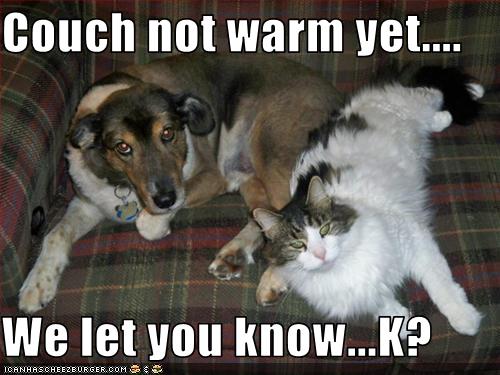
Help your pets remain happy and healthy during the colder months by following these simple guidelines:
Indoors and warm – Don’t leave dogs or cats outdoors when the temperature drops. Most dogs, and all cats, are safer indoors, except when taken out for exercise. No matter what the temperature, windchill can threaten a pet’s life. Regardless of the season, shorthaired, very young, or old dogs and all cats should never be left outside without supervision. Short-coated dogs may feel more comfortable wearing a sweater during walks.
The best way to keep your pets safe (and happy) is to keep them with you.
If your dog spends a lot of time outside – A dog or cat is happiest and healthiest when kept indoors. If for some reason your dog is outdoors much of the day, he or she must be protected by a dry, draft-free shelter that is large enough to allow the dog to sit and lie down comfortably, but small enough to hold in his/her body heat. The floor should be raised a few inches off the ground and covered with cedar shavings or straw. The house should be turned to face away from the wind, and the doorway should be covered with waterproof burlap or heavy plastic.
Keep the water flowing – Pets who spend a lot of time outdoors need more food in the winter because keeping warm depletes energy. Routinely check your pet’s water dish to make certain the water is fresh and unfrozen. Use plastic food and water bowls rather than metal; when the temperature is low, your pet’s tongue can stick and freeze to metal.
Be careful with cars – Warm engines in parked cars attract cats and small wildlife, who may crawl up under the hood. To avoid injuring any hidden animals, bang on your car’s hood to scare them away before starting your engine.
Safety and salt – The salt and other chemicals used to melt snow and ice can irritate the pads of your pet’s feet. Wipe all paws with a damp towel before your pet licks them and irritates his/her mouth.
Avoid antifreeze – Antifreeze is a deadly poison, but it has a sweet taste that may attract animals and children. Wipe up spills and store antifreeze (and all household chemicals) out of reach. Better yet, use antifreeze-coolant made with propylene glycol; if swallowed in small amounts, it will not hurt pets, wildlife, or your family.
The best tip of all: keep your pets with you – Probably the best prescription for winter’s woes is to keep your dog or cat inside with you and your family. The happiest dogs are those who are taken out frequently for walks and exercise, but kept inside the rest of the time.
-
Quick Clean Up Tips For Unexpected Company
Posted on December 21st, 2012Clear the Air knows that during the holidays, company can stop in unexpectedly and we would like to share some quick cleaning tips to make your home look its best in just a few minutes.
- Remember, if you have a cat, sprinkle some of our Cat Urine Odor Eliminator on the litter box before company comes over.
- If you have a small animal cage, place an Odor Eliminator Bag in the cage or around it (don’t worry, our products are 100% non-toxic).
- Did you get a puppy and there are accidents around the house? Clean them up then sprinkle our Carpet/Furniture Odor Eliminator, leave on for 24 hours then vacuum up!
- Any other odors you aren’t sure about? Ask us, we’re happy to help!
Clean the counters with a spray bottle: If you have a lot of dirty counters to clean, spray at the same time. Here’s how. With a spray bottle in one hand and a paper town in the other, spray each counter in a clockwise manner. Then, start at the beginning and wipe without ever missing a beat. It’s a more efficient way to do it and quick too.
Clear the Clutter: Do you have a lot of loose papers or bills sitting around your office desk or in the kitchen area? Grab a large plastic bag and fill it. Stuff it with the papers a handful at a time. Then, over the next week, sift through it when you are relaxed and you have time.
A few minutes per room: Take five minutes to clean each room of your house. Sound like a waste of time? Well, it isn’t. Most people can pick up a room, vacuum and load a dish washer in five minutes. So try it. You’ll be surprised at how much cleaner your house looks in under 30 minutes.
Dishwasher tips: If you wash your dishes prior to throwing them in the dishwasher, it’s time for a change. Through technology and science, dishwashers and dish washing detergent/liquid is much more powerful. So quit washing your dishes before you “wash” your dishes. Rinse them instead. Then, with two hands, pick up two dishes/cups/silverware and place them in the dishwasher at the same time. It’ll help you load your dishwasher in a more efficient manner.
Make vacuuming count: If you tend to run your vacuum over the same spot two and three times, stop it. Pretend you’re in a race and you have to cover each area of your carpet in singular motions. Do this and you’ll complete this chore quickly.
-
San Diego Humane Society Featured Pet
Posted on December 19th, 2012Clear the Air would like to share a special pet from the San Diego Humane Society who needs a forever home.
Meet Bonnie! If you are looking for a new dog this Christmas season, stop in and meet Bonnie.

According to Michelle, a Dog Buddy volunteer at San Diego Humane Society‘s Gaines Campus, “Bonnie is the sweetest, most loving dog. She tries to be a lap dog and loves to give kisses.” Michelle was first drawn to Bonnie because of her affinity for Pit Bull breeds in general. “They are a misunderstood breed, so I try to give them more attention.”
As for Bonnie, the 3-year old auburn-colored pooch stole Michelle heart when she came right over and plopped down on her lap. “When laying on my lap she would lift her head up every minute or so to give me a kiss.” How sweet is that?! But her affectionate nature is only one of many impressive qualities this doggie possesses. Michelle describes some additional awesomeness, “Bonnie is great at sitting and enjoys playing fetch, too. She is so well-behaved. She also love to be scratched on the chest and behind her ears.”
If you are interested in giving Bonnie a little behind-the-ear love or introduce her to your lap, please contact our Front Desk at 619-299-7012, or stop on by our Gaines Campus to meet her!
-
Winter Exercise Plans For Your Dog
Posted on December 18th, 2012Winter is here and it isn’t always easy to make sure your dog gets exercise when you may have to be confined indoors.
At Clear the Air we truly believe in the importance of keeping your dog happy and healthy and this is achieved through exercise. Check out the ASPCA’s tips for winter exercise for your dog:
Getting pets who dislike the cold to go outside in winter can be a challenge, but chilly weather or not, pets need fresh air and exercise. ASPCA experts assure us that while short-haired and smaller breeds may require cozy apparel to protect them from winter’s bite, others simply need a little training to learn how to enjoy a cold-weather romp.
1. Entice your pooch with off-leash exercise sessions, playing tug or fetch, or romping with canine buddies—the more aerobic the activity, the warmer the dog will be.
2. If your dog’s playing off-leash, you can use treats to reward her for fetching toys—even if you usually don’t have to. The extra incentive might further spark her interest in the great (and chilly!) outdoors.
3. Offer your pet special treats during outdoor excursions. While on a brisk walk, pop something delicious into her mouth every now and then—or feed her breakfast by hand while outdoors.
4. Winter is a great time to enroll in indoor training classes. Sports like agility and flyball are often taught in heated facilities and are excellent exercise for the canine body and mind—and you’ll enjoy them, too!
5. Walk your pet in wooded areas during the winter months. The forest not only provides protection from wind, but the rich smells, sights and sounds can be infinitely interesting for dogs to investigate, distracting them from chilly temperatures.
6. Many dogs dislike going outside during winter because snow, salt and chemical de-icers hurt their paws. Canine booties can protect paws, while keeping them warm—and disposable latex boots are available for dogs who don’t like the feel of thicker boots.
7. Musher’s Secret, a waxy substance that you can apply to your dog’s paws, can be an effective alternative to booties for protecting toes and paw pads in snow and ice.
8. Getting your dog to play outside may simply be a matter of keeping her warm:
- Dress puppies—who don’t have as much body fat as adults—in a coat or sweater.
- Get waterproof gear for wet days.
- Invest in a well-fitting coat that covers your dog’s back and underside. (Fleece is nice!)
- Staying warm during winter takes more energy, so increased food intake may be necessary. Good body condition means you can feel, but not see, your dog’s bones. If you can see his spine, hips and ribs, then he’s too thin and you should talk to your veterinarian about increasing his food intake.
9. If you’ve tried everything and your dog still seems miserable when you take her outside, provide extra exercise indoors by playing games that involve physical exertion, like tug-of-war.
10. Help your dog expend mental energy by feeding her meals in food-puzzle toys, giving her plenty of things to chew, teaching her new tricks and playing interactive games like hide-and-seek.
Make sure your dog has access to shelter and water at all times. And please remember, if you’re cold, your dog probably is, too, and it’s time to come home.
Article can be found at: http://www.aspca.org/pet-care/pet-care-tips/winter-exercise-guidelines
-
Caring For Your Cat And Watching For Illness
Posted on December 13th, 2012Cats are good at hiding how they feel if they are ill and the older a cat gets, the longer it takes for them to recover from an illness.
It is important to pay attention to your cat as he ages and catch any problems before they become very serious.
If you are close with your cat, you can usually tell if something is different or not right with him. Don’t discount that feeling that something doesn’t seem right. Because of the love and close relationship you share with your feline, you have an advantage to knowing when something is wrong.
In fact, change in behavior is the number one way a cat will tell you he’s not feeling right. Changes in behavior can be sudden or may develop over time. When your cat begins to age, it is important to make important enrichment to his nutrition, grooming needs and home life.
It is a good idea to keep a log of some of your cat’s normal activities. Since changes in your cat’s behavior are the best sign that he isn’t feeling good, knowing what is normal and abnormal for him will help nip a potentially fatal illness in the bud.
If your cat normally chases after his toys, make a note of that. If he wakes you up every morning then suddenly stops, this could be an indication of arthritis and it may hurt too much to jump on the bed.
It is also important to note how often your cat eats and drinks. If he always runs to his food bowl when he hears you pour more in and suddenly stops doing this, something may be going on with him. Keeping note of his appetite, weight, water intake, urination and defecation, skin and fur, respiration and other habits of your cat will let you quickly identify if he isn’t feeling well.
If you have any concerns your cat may be sick, take him to the vet immediately. If your cat has accidents in the house, use Clear the Air to eliminate cat urine odor.
-
Keep Your Cat’s Litter Box Smelling Its Best
Posted on December 12th, 2012Do you have a cat? Are you regularly reminded you have one by the way your litter box smells?
If you are expecting company for the holidays, you will probably want to keep Clear the Air on hand to sprinkle on your cats litter box to make the odor non-existent while making the litter box more appealing for your cat.
We have provided some helpful cat litter tips:
Scooping – The number one rule, and the only thing that will keep litter box odor at bay, is constant cleaning. That means scooping the box out at least twice a day, removing the solids and liquid clumps if you use clumping litter. If you don’t use clumping litter, you can use a large solid metal spoon to lift out the most urine-soaked areas each time you clean and add litter as needed to replace what is removed.
Washing Your Litter Box – You should also get in the habit of washing the litter box at least every other week if not more. Use a mild unscented dish detergent and rinse clean. Remember to clean your scooper too. When the box is dry, sprinkle a thin layer of our Cat Urine Odor Eliminator in the box first. Then add two to three inches of litter. Cats do not like a deep tray of litter and this allows you to add litter as you scoop.
Type of Litter – Some have perfumes and others have additives to only cover the smell. To a cat, these smells can be overwhelming and make the box unwelcoming. It is usually a good idea to get unscented litter and sprinkle our Cat Urine Odor Eliminator in the box to eliminate the odor, not cover it up.
Type of Litter Box – Using the largest box your home can accommodate is the best idea. A good rule of thumb is to get a box that is at least twice as long as your adult cat and wide as the cat is long. Even though a covered box is nicer to look at, most cats don’t like them and they also trap odors inside making it unpleasant for your pet to enter. Cats claws can get stuck in liners when they are digging for a place to relieve themselves and the urine can also seep into the liner, trapping odors in the box.
Location – Lastly, location of your cats litter box is very important to keep your pet happy to relieve himself in the correct areas. The rule is one litter box per cat plus one. If your cat is on the third floor of your house and the litter box is in the basement, he may not decide to make the long trek. It is important to have the boxes in different locations. Also make sure the box is in a low traffic area, away from his or her food and in a place that your cat can easily get in and out of.
These suggestions may take a lot of effort but not only with your cat be happier but you will as well, not having to put up with cat urine odors. Remember to pick up Clear the Air’s Cat Urine Odor Eliminator available at all Petco stores or online.
-
Prepare Your Home For The Holidays
Posted on December 11th, 2012Christmas is just around the corner and as family and friends congregate in your home, there are some important tips to keep in mind to prepare your home for the holidays.
We would like to share a few of those “Preparing Your Home For The Holidays” tips from Popular Mechanics with you:
1. Clean the microwave. Appliances take a beating during this holiday, but there’s still time to make a few pre-holiday adjustments. Take out the microwave’s rotating tray and scrub it or pop it into the dishwasher. Wipe down the microwave’s interior with a soft cloth and a little soapy water. Make sure its air vents are clear of dust and grease.
2. Don’t clean the oven. The self-clean cycle is so stressful on the appliance that it could cause it to fail, right before you need it most. Give a quick cleaning around the top burner elements and leave the rest be. Save the big cleanup until leftovers are safety nestled in the fridge.
3. Inspect the refrigerator. It’s liable to be opened and closed more times on this one day than it is in a couple of weeks of normal use. Check for the following problems:
* Tighten screws on any loose door handles.
* Fix loose or misaligned door gaskets. Take a nut driver or socket and wrench, loosen all hex head gasket screws, reposition the gasket using a putty knife to shove it into position and retighten. Consider installing a new gasket after the holidays.
* Clear blocked freezer vents. Reposition food in the freezer compartment to clear area around vents.
* Clear cold air vents. Reposition food in fresh food compartment to allow cold air from freezer to move more freely. Gain critically needed space by putting all drinks on ice in a cooler.
* Replace burned out lights with an appliance bulb, typically a clear 40-watt bulb sized for appliance use–a $3 item at hardware stores and home centers. If the fresh food compartment is still dark after its replacement, that usually indicates a failed door switch.
4. Prepare vacuum cleaners. Empty canisters or replace bags on these appliances and position them in a hall closet or other location for rapid deployment.
5. Clean drip coffeemakers. If you haven’t recently checked the drip opening (and the area around it), you may be unpleasantly surprised. Unplug the coffeemaker and turn it upside down. If the drip opening looks like it’s covered in asphalt, clean it with a soft cloth and a solution of warm water and dish detergent. It may take several tries to get the crud off.
6. Inspect the dishwasher. Check the strainer/drain area in the bottom of the wash tub (it’s located under the spray arm). Remove food debris and wipe off detergent residue. Remove utensils and any bits of plastic or glass that you find in the bottom of the dishwasher tub. Wipe detergent residue, mold and slime off the door gasket and around the rim of the door, as well as the latch arm that locks the door.
7. Sharpen knives. Tuning up kitchen knives is easy, so don’t settle for hacking the bird when you can carve it like a pro.
8. Tune up cabinets. A few minutes with a screwdriver is all it takes to whip loose parts into shape. Tighten loose cabinet hinges. Tighten the screws that mount to the door and to the cabinet wall. While you’re at it, tighten loose drawer and door pulls and drawer slides. If kitchen drawers are over-stuffed and liable to jam in the middle of the cooking frenzy, now’s the time to take out some of the clutter.
9. Take care of the toilet. Not to get too graphic here, but toilets see a tougher workout than any other fixture in the house, especially when guests pull up a seat. Now’s the time to take care of poor flushing action or a toilet that flushes by itself by replacing the flapper valve or the entire flush mechanism. If the toilet rocks slightly, try tightening its mounting bolts. If you lift the bolt caps and find severely corroded fasteners (don’t be surprised) leave well enough alone and let it go until after the holidays.
10. Replace burned out light bulbs. Pay close attention to lights that serve the front entrance and walkway that leads to the front door or other busy entrances.
11. Make your home slip- and fall-proof. Fix loose treads on exterior steps, loose deck boards or loose pavers on front walkways. Take care of all other tripping/falling hazards while you’re at it, like using double-sided tape to stick down slippery rugs. Tighten the mounting screws on loose handrails.
12. Bring in firewood. Stack it and let it dry for a few days before lighting that cheerful holiday blaze. Test run gas fireplaces before the big day, especially if they haven’t been used since last winter. Split kindling for the holiday fire safely. Hold the kindling in place using a scrap of wood with a roofing nail driven through its end. Jab the nail into the kindling you’re splitting to hold it in place and to keep your hand safely away from the hatchet or axe.
13. Child-proof your home. Make all child-safety preparations in advance, such as covering electrical outlets, moving lamps and vases away from table edges and making provisions to block stairways to prevent hazardous falls.
14. Change smoke detector/CO detector batteries.
15. Keep jumper cables on hand, especially if you’re expecting a big crowd. Always seems somebody’s got a bad battery, and it’s usually the car that will block everybody in the driveway.
16. Double-check your first aid kit. At the least you should have burn cream, ice packs and bandages to deal with kitchen-related cuts.
17. Keep a fire extinguisher handy in the kitchen.
-
Eliminate Odors In Your Home
Posted on December 7th, 2012Are you expecting company this Holiday season? If you’d like to get your house smelling its best, we have some helpful tips.
No matter what odor may be lurking in your home, we guarantee we will eliminate it. Please visit our website to order.
Directions to Eliminate Cigarette and Cigar Smoke Odors:
- Hang 1-2 Earth Care Odor Eliminator Bags in each room that smells like cigarette smoke. One bag will cover 50-100 square feet. Odor will be eliminated in 24 hours.
- Bag will last 1-2 months, if room is heavily permeated with smoke odor the bag may need to be changed more often at first.
- If odors are particularly strong or room has been smoked in for years sprinkle Clear The Air Odor Eliminator for Carpet and Furniture granules on carpets and furniture. Leave down 24 hours and vacuum. Odors will be completely eliminated.
- One canister of Clear The Air Odor Eliminator for Carpet and Furniture covers 100 square feet; one bucket covers 900 square feet.
- Granules can also be placed in ashtrays and cigarette butt receptacles.
Directions to Eliminate Dead Animal & Related Urine/Feces Odors:
- It is not necessary to remove dead carcass to remove the odor.
- More bags =better faster results, we recommend a minimum of 3 bags.
- Hang a bag in every room you smell odor.
- If you believe dead animal is in attic or crawl space hang one bag there also.
- Bag will outlast odor from carcass and handle any urine or feces odors that may exist from previously infested areas.
- One bag covers up to 100 square feet. It will last 3-4 months in use, or indefinitely in plastic wrap.
- Minimum of three bags needed to remove dead Rodent/Animal odors.
Directions to Eliminate Cat Urine Odors From Litter Box:
- Add granules to bottom of litter box, add litter, then add additional granules on top.
- Add ½ cup of granules each time litter is changed, scooped or as needed.
- Will prolong the life of your litter.
Eliminate Cat Urine Odors From Carpets, Wood Floors, Tile, Concrete or Furniture:
- Remove feces and excess urine.
- Sprinkle granules over area until dry granules are present on top. Also works well on old dry urine odors.
- Leave overnight, then sweep or vacuum.
- Clear The Air pulls odors from carpet, padding, and subfloor.
- Typically one application will eliminate all odors; occasionally a second application is necessary.
- One canister covers 100 square feet.
Directions to Eliminate Musty Mildew Odors from your Basement:
- Hang 1-2 bags in basement. One bag cover up to 100 square feet.
- Bags will continue to eliminate musty odors for up to 3 months.
- If odors are strong (or you have had a flood) also sprinkle Clear The Air Odor Eliminator for Concrete or Carpet granules on floor, leave down 24 hours and sweep or vacuum. Odors will be completely eliminated.
- One canister of Clear The Air Odor Eliminator For Concrete or Carpet granules covers approximately 100 square feet.